
0116 4300 272
51 Henley Road, Leicester, LE3 9RD8.30am to 6.30pm Monday to Friday
RICS Home Surveys Information Sheet
This HomeBuyer Survey relates to a traditional terraced house dating from around 1902, located in Leicester and inspected by RICS Chartered Surveyors.

General Condition and Background
The property had suffered extensive deterioration due to a lack of basic maintenance, particularly to rainwater goods. The front and rear elevations had been badly damaged by water penetration caused by defective gutters and downpipes—repairs that would likely have cost only a few hundred pounds if addressed promptly.
In addition, the property had been subject to intruder damage, with the kitchen and bathroom vandalised and the boiler removed, along with damage to central heating pipework.
Construction and Extensions
The original house is of solid wall construction, typical of early 20th-century terraced housing.
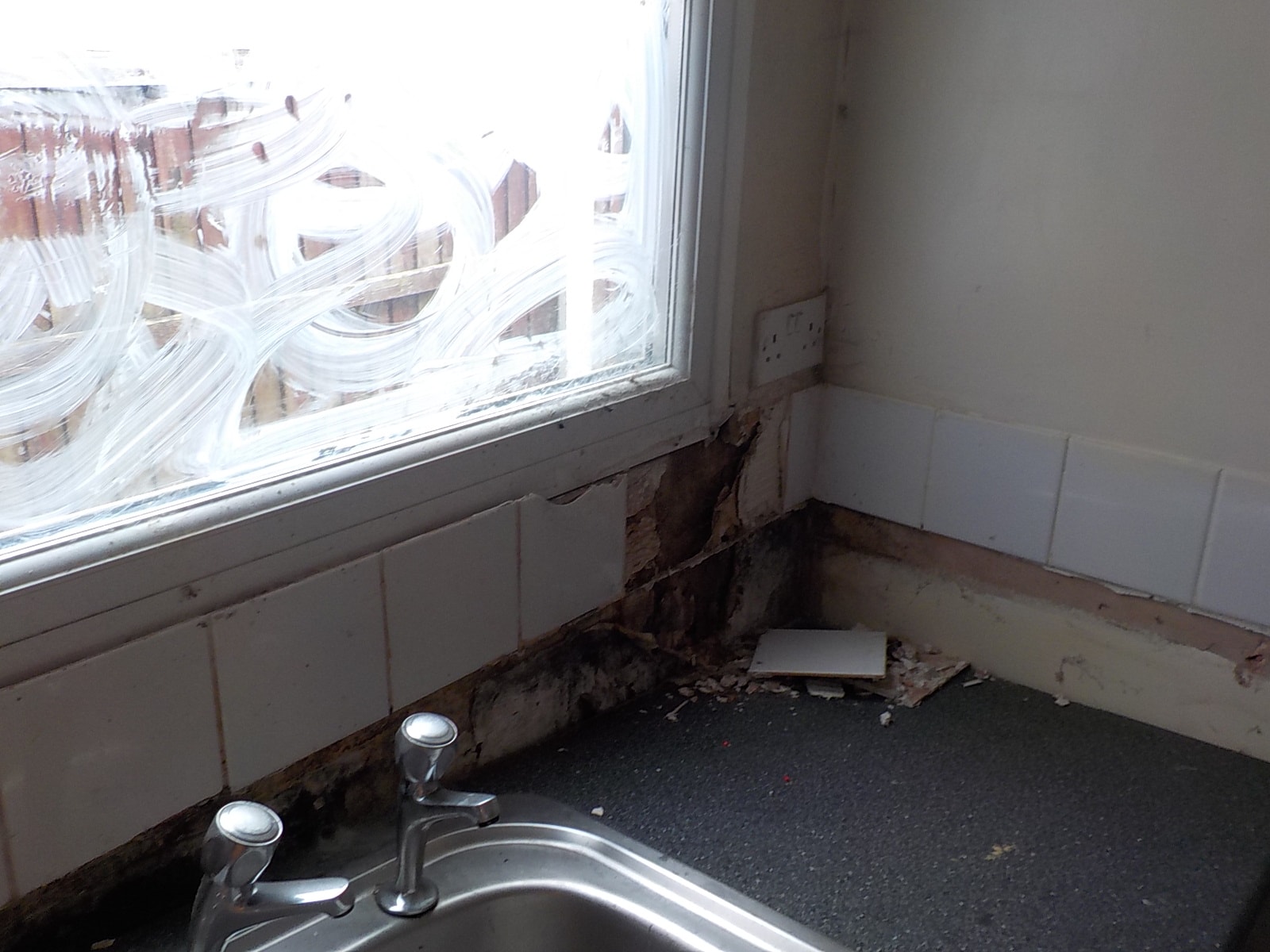
A rear extension containing the kitchen and bathroom was of single-skin construction. This form of construction is:
Thermally inefficient
Likely to be cold internally
Vulnerable to water penetration if not well maintained
Such extensions commonly suffer from condensation and damp-related problems.
Damp and Water Damage
Significant damp damage was noted in several areas:
Rear corner of a room: Likely caused by a leaking rainwater downpipe allowing water to soak through the solid masonry wall.
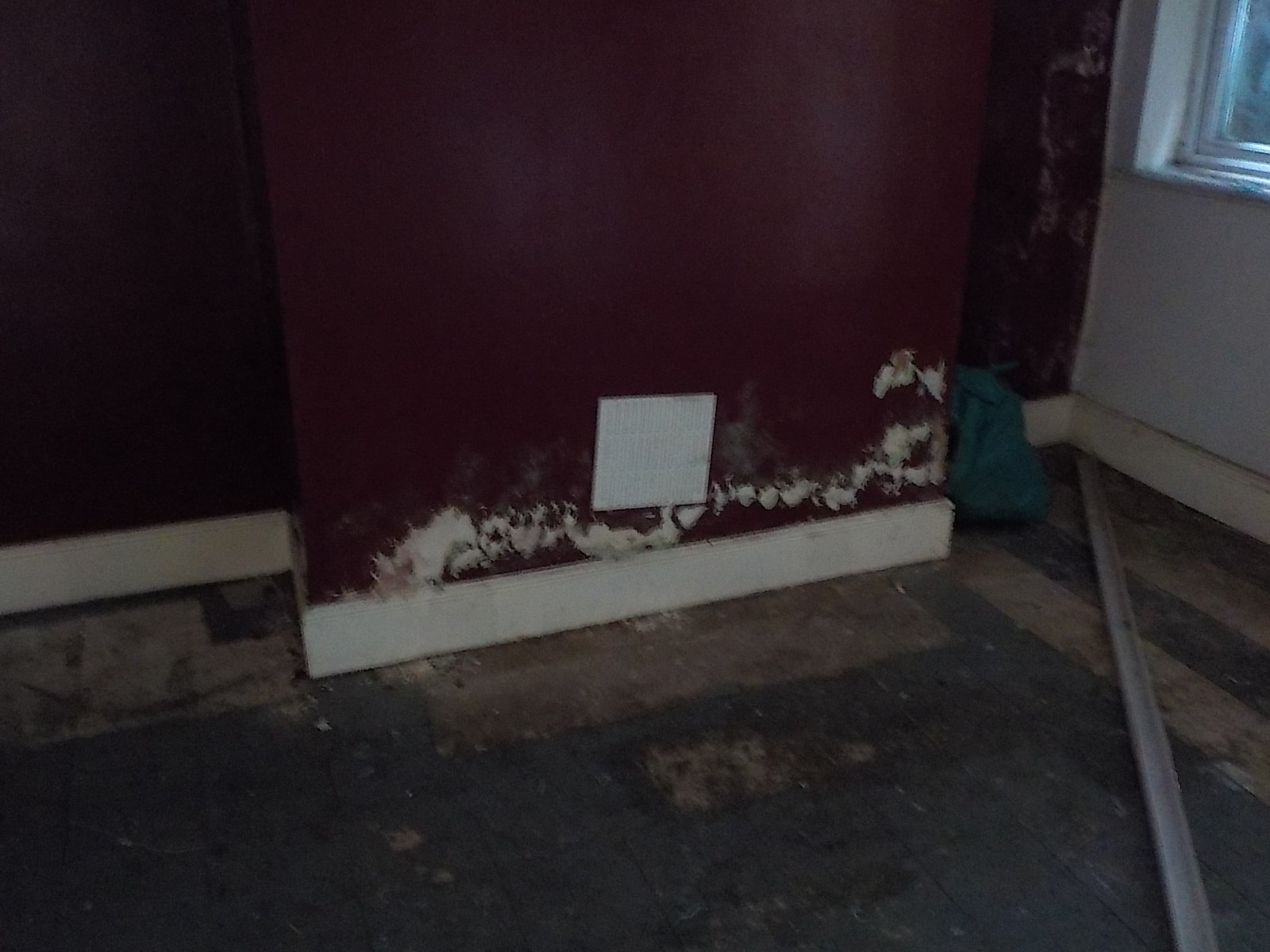
Chimney breast damage: Probably due to historic fireplace use, where wet soot or condensates from former fires deposited hygroscopic (water-absorbing) salts into the brickwork.
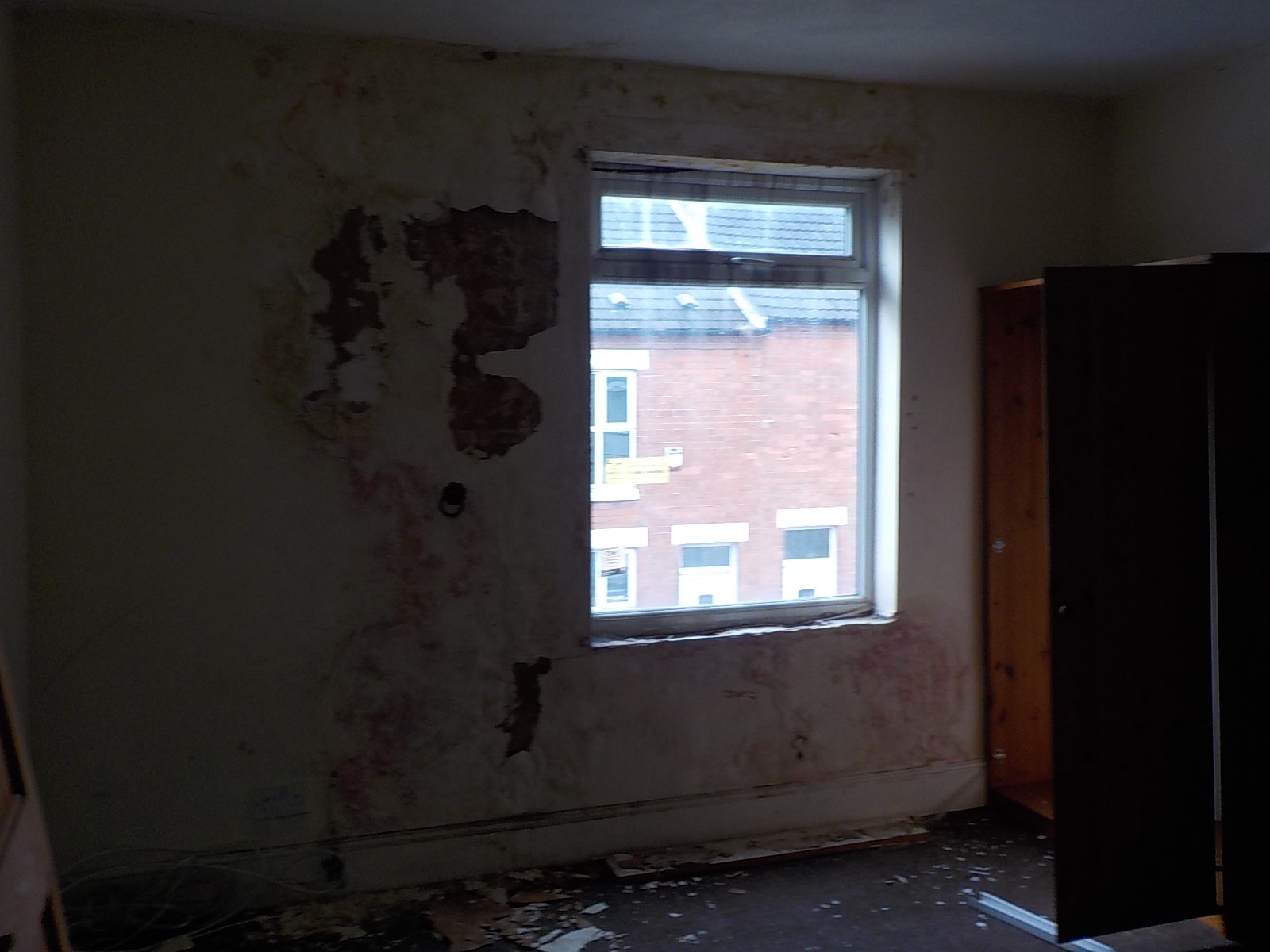
Front bedroom wall: Dampness most likely caused by a previously leaking gutter, now reportedly repaired.
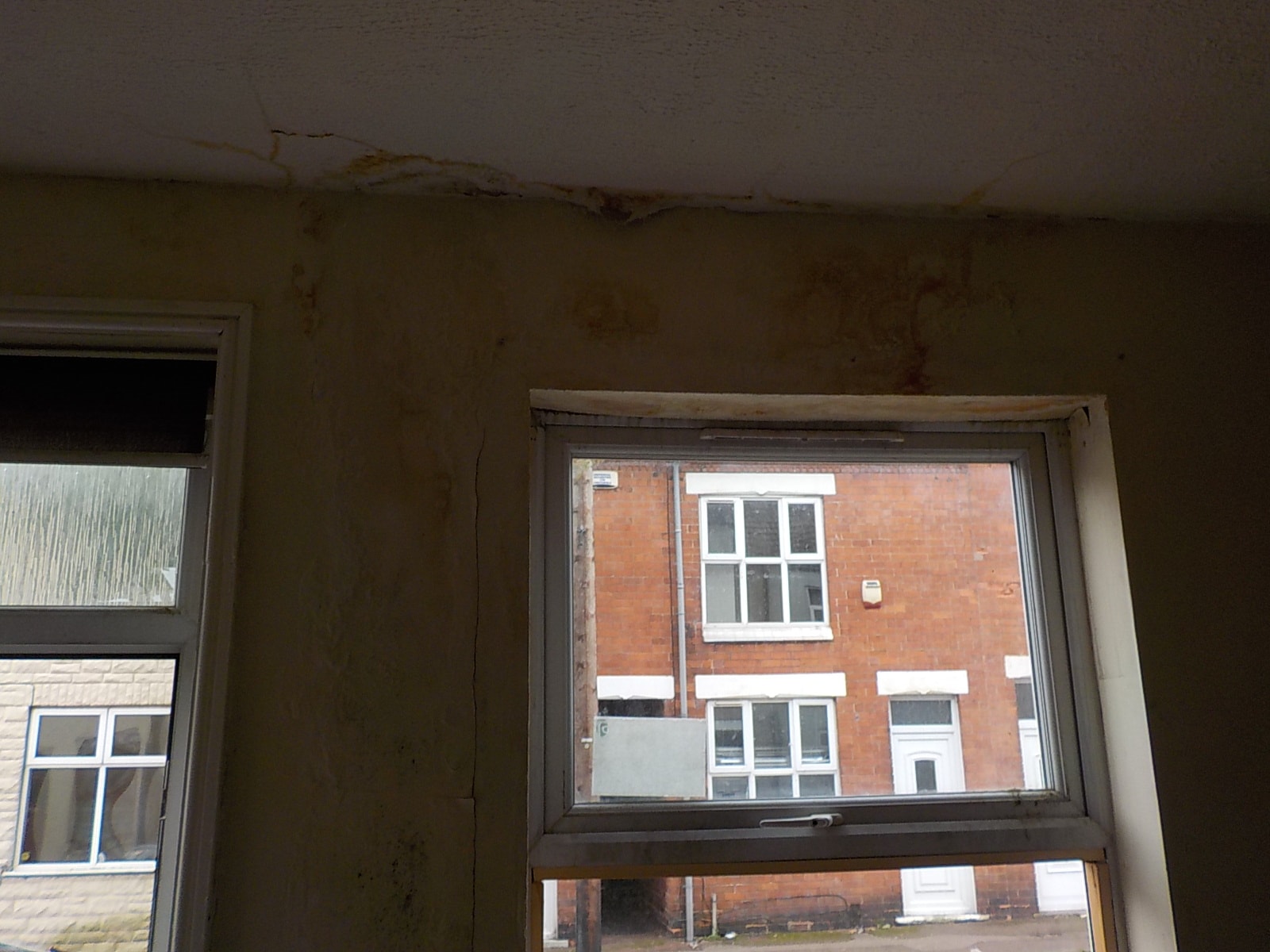
Lounge: Damp damage had spread into this room, indicating prolonged moisture exposure.
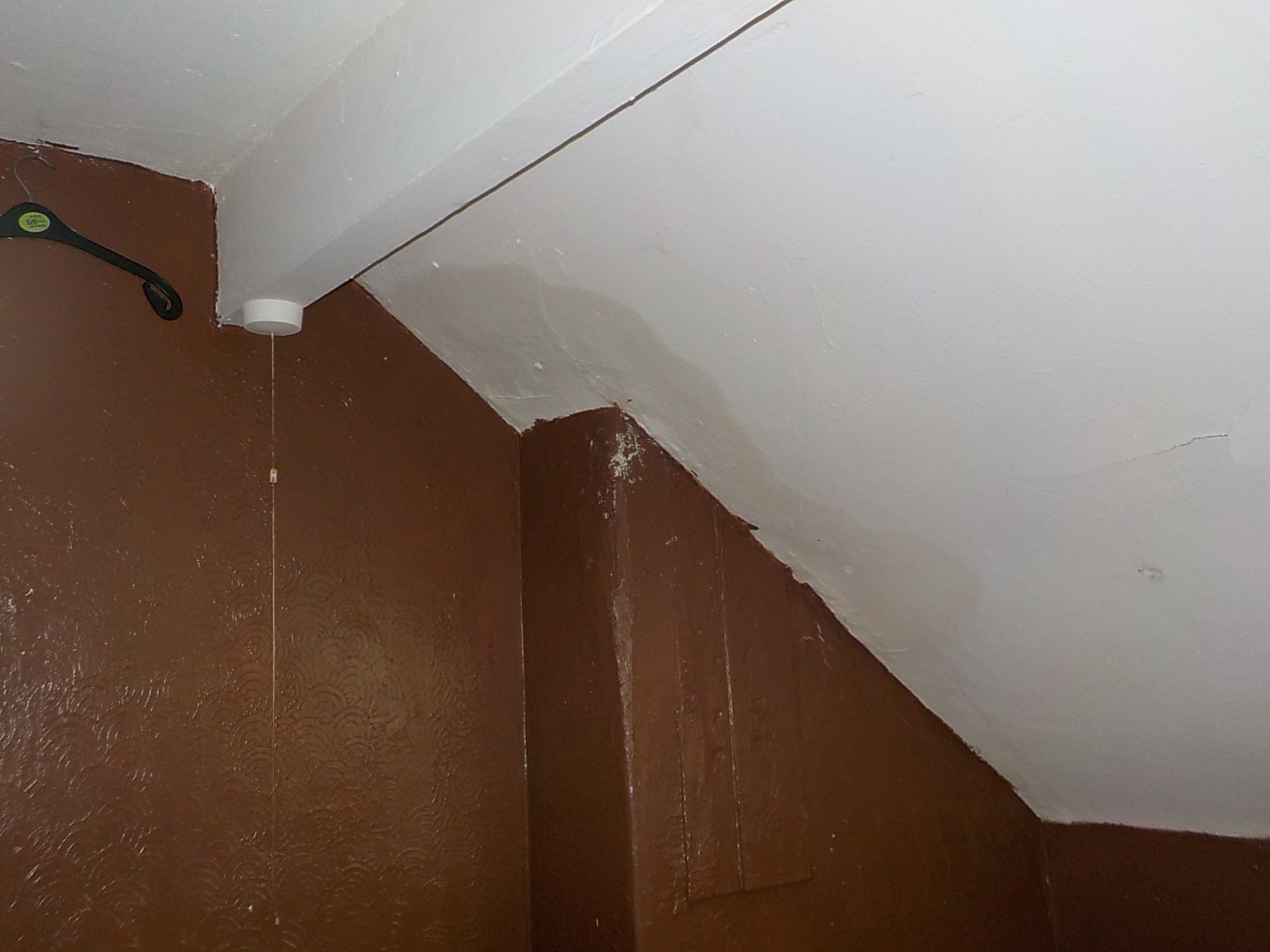
In one location, damp staining may also be linked to cold metalwork within the chimney, although condensation remains the more likely cause.
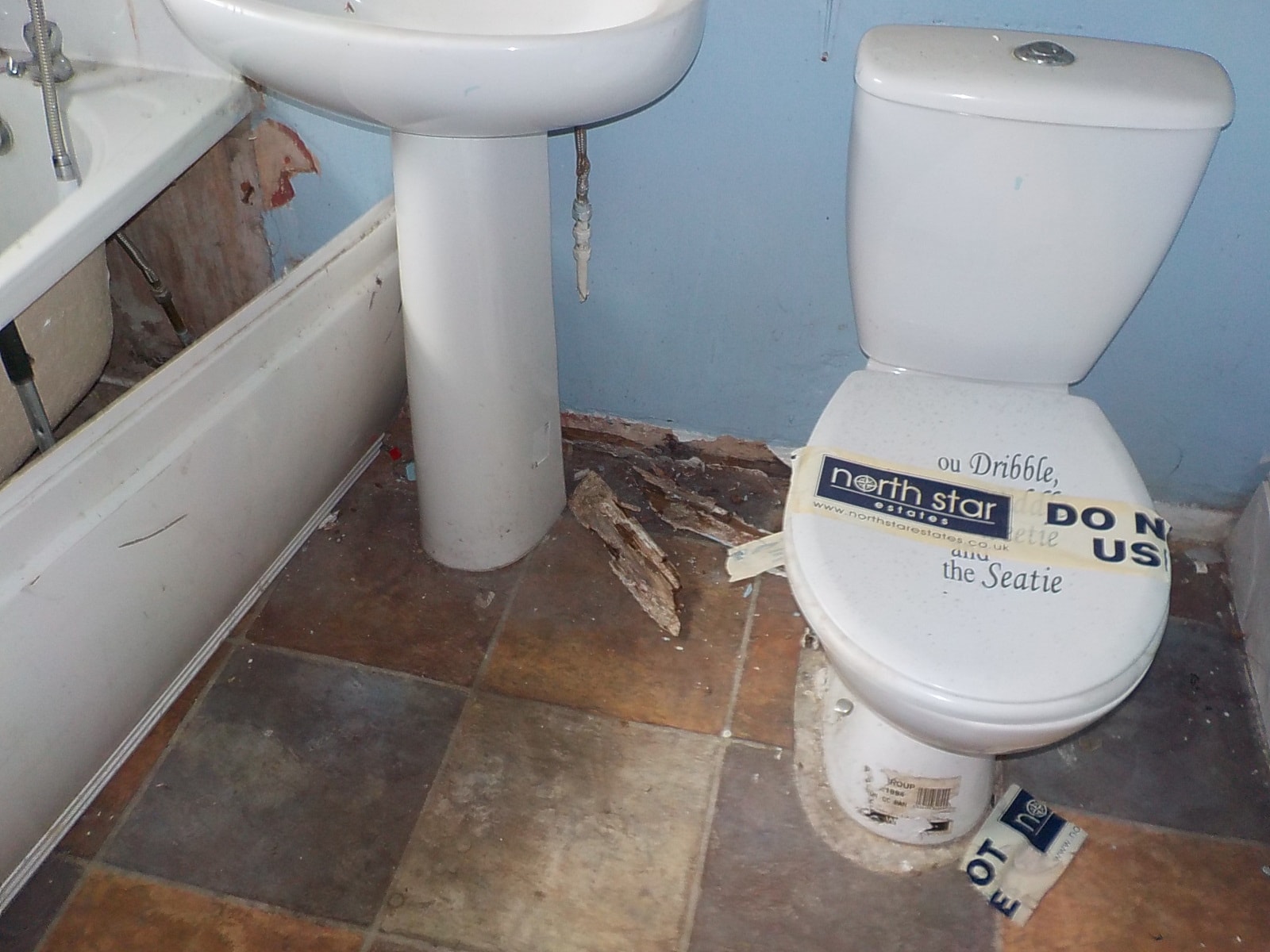
A missing and rotten skirting board was observed in the bathroom. As there was no evidence of dampness within the adjacent wall plaster, this damage is most likely due to localised water spillage, rather than rising or penetrating damp.
Roof Space and Attic Conversion
The property included an attic conversion that raised several serious concerns:
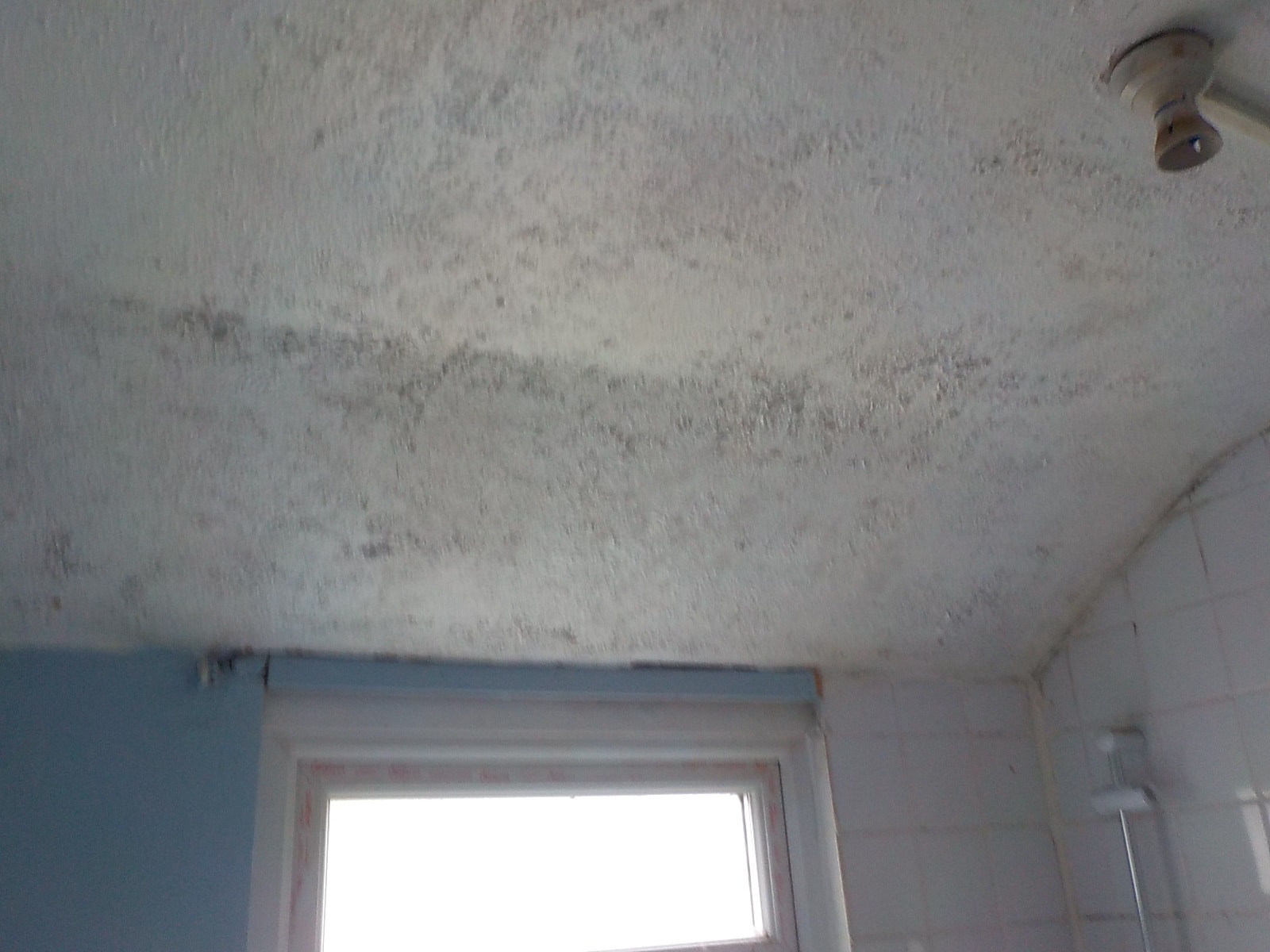
The angled ceiling was unlikely to be insulated, making it cold and prone to condensation.
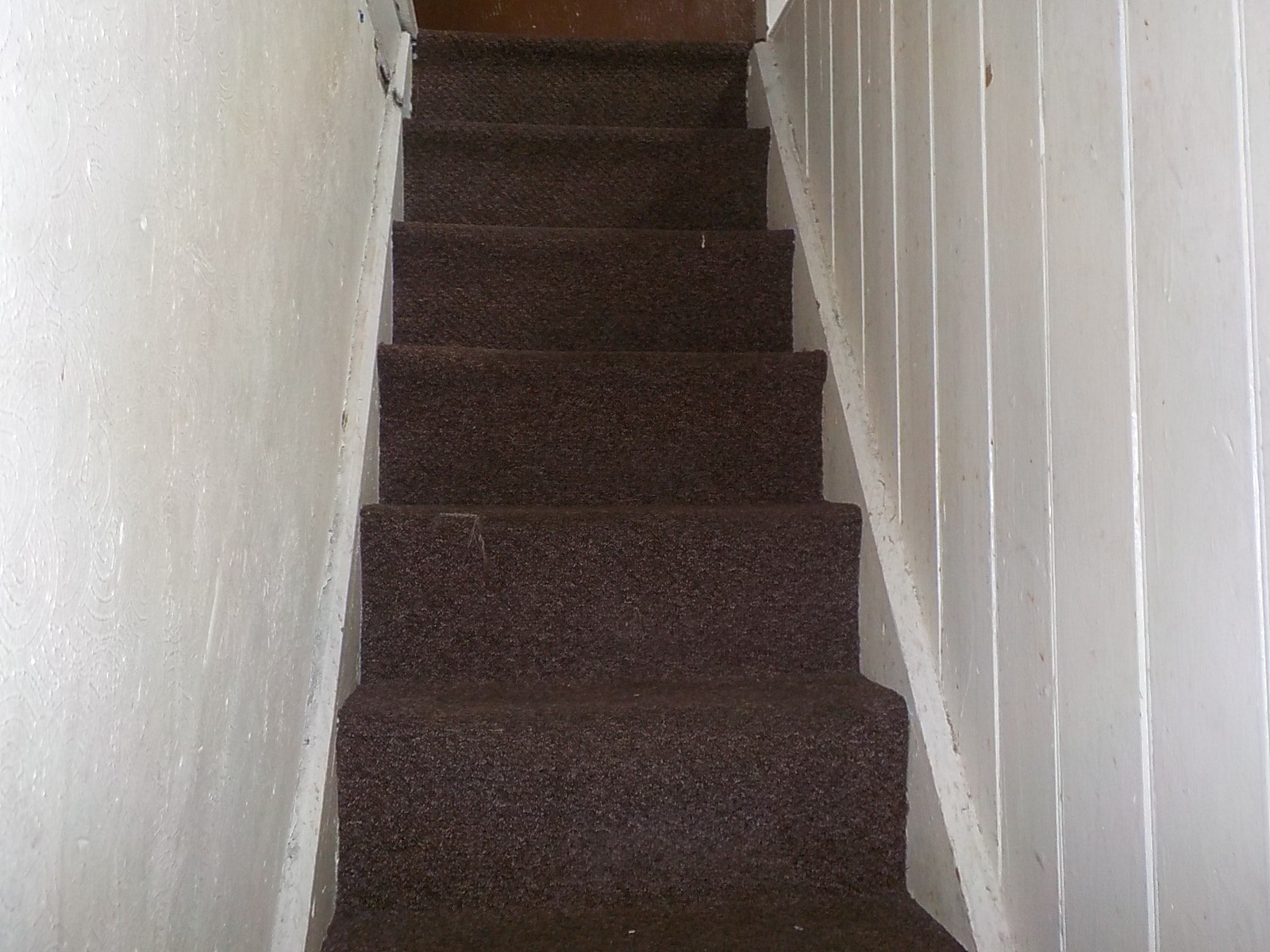
The stairs to the attic were substandard—too steep with short treads—and lacked a handrail, presenting a significant safety hazard.
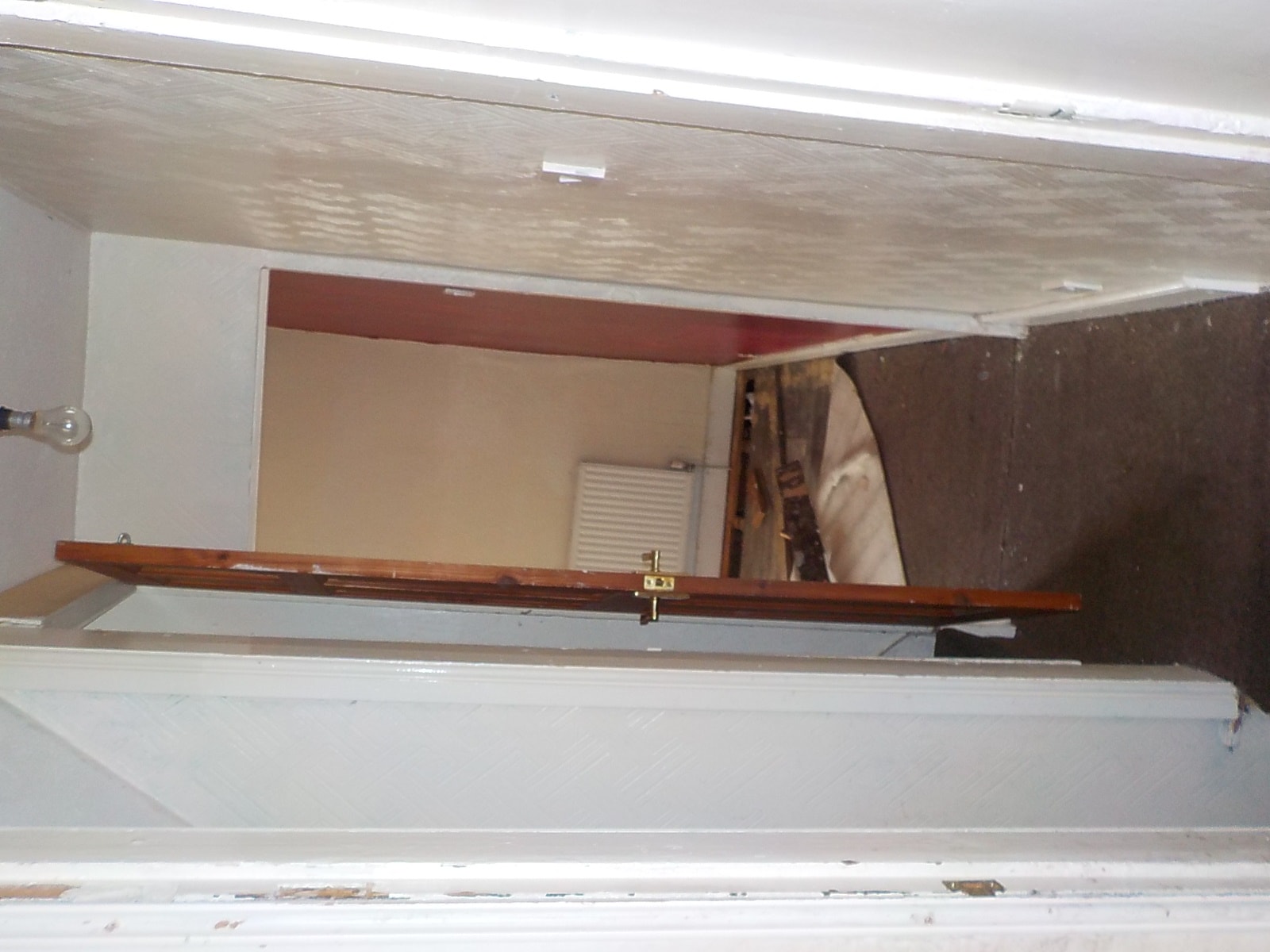
There was no fire protection to the attic room. The door serving the space was not a fire door, as confirmed by its thickness.
Doors to the landing and escape route at ground floor level were also not fire-resistant.
In the event of a fire, an occupant in the attic room would not be adequately protected.
Impact on Value and Usability
The central stairwell layout significantly restricts the usability of the attic room.
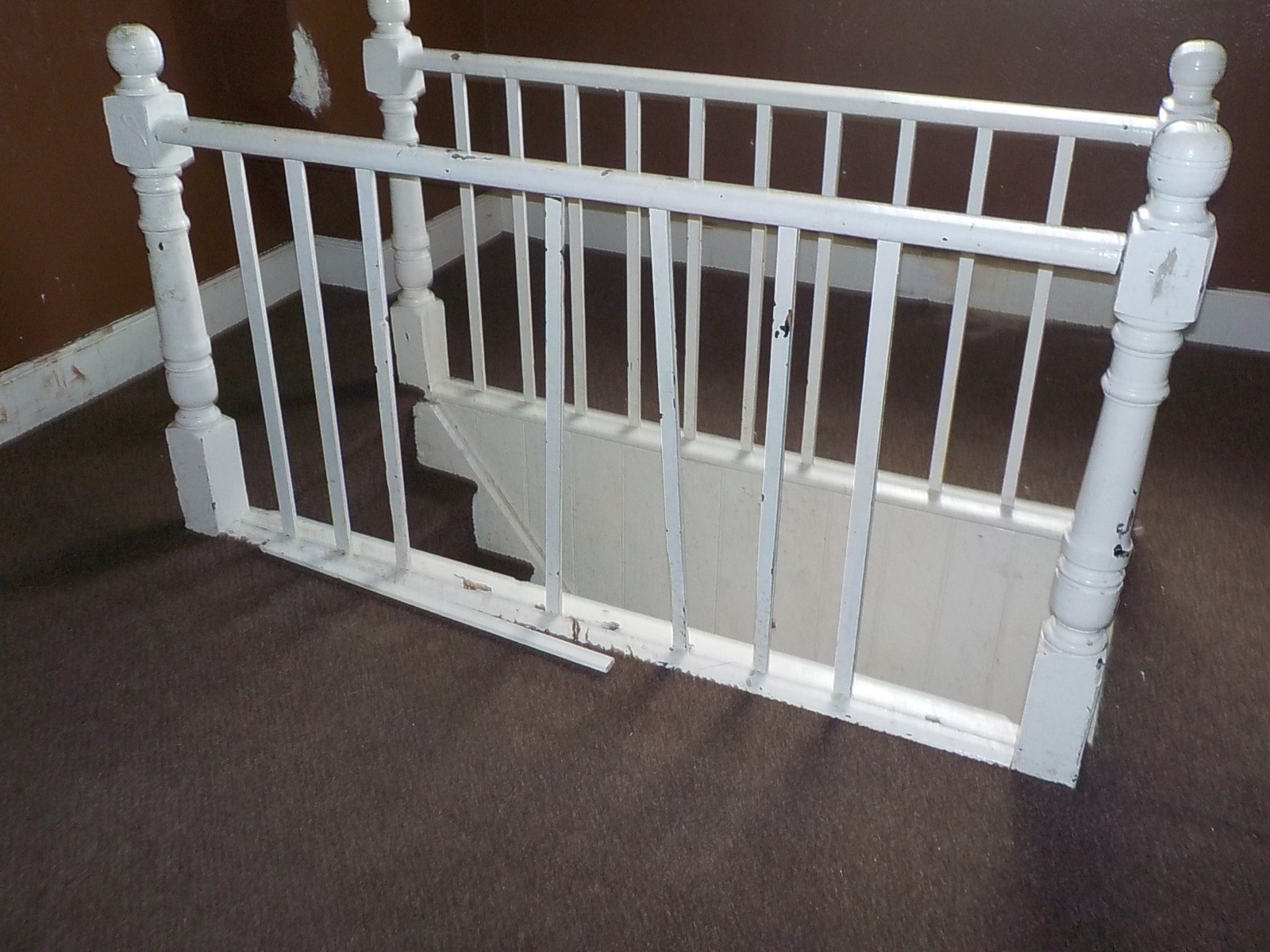
When combined with:
Substandard stairs
Lack of fire protection
Poor insulation
…the conversion is unlikely to add meaningful value and may be uneconomical in terms of cost versus benefit.
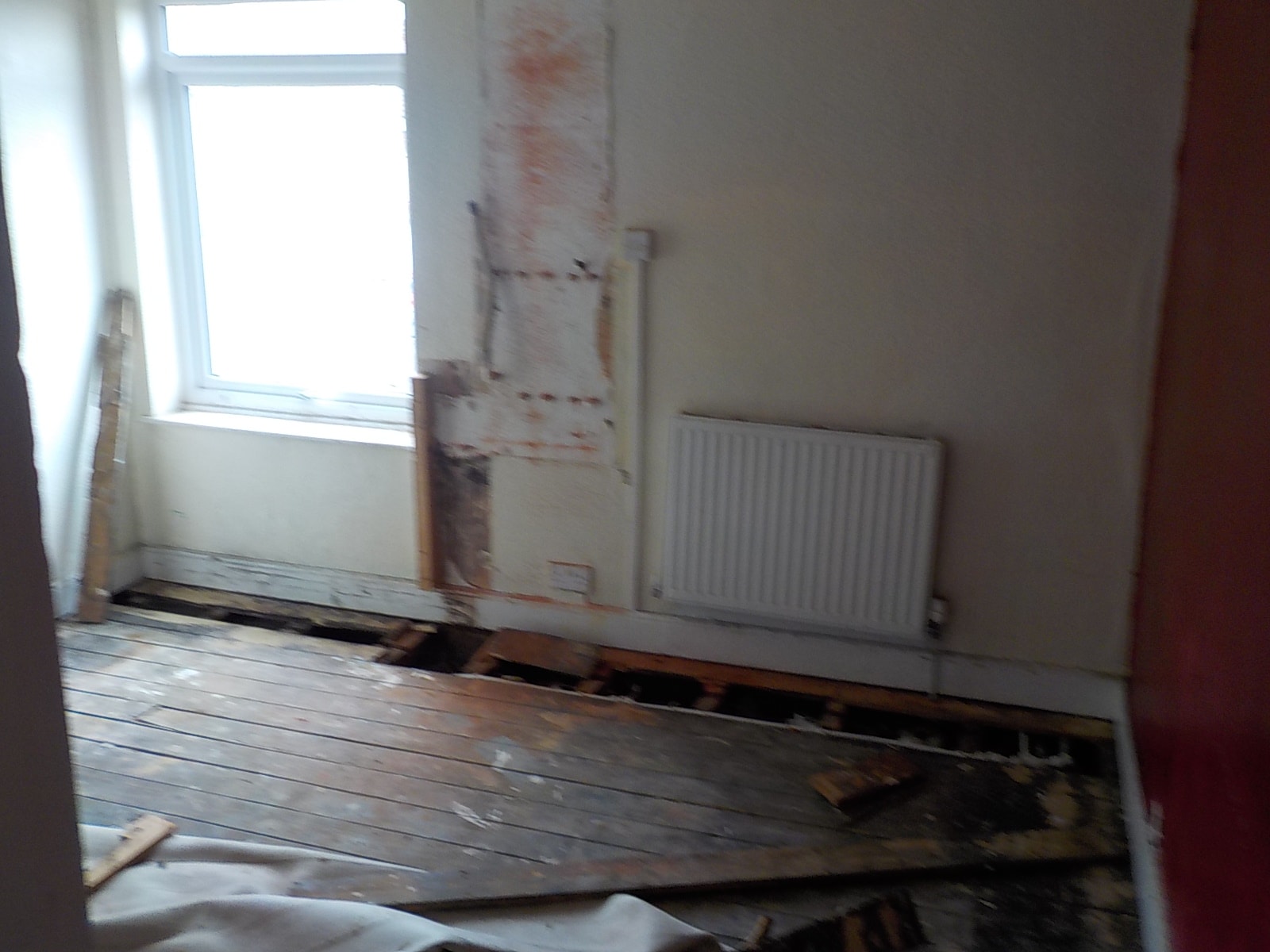
Intruders had removed the boiler and damaged central heating pipes within the floor structure. These services will require full assessment, repair, and reinstatement before the property can be safely occupied.
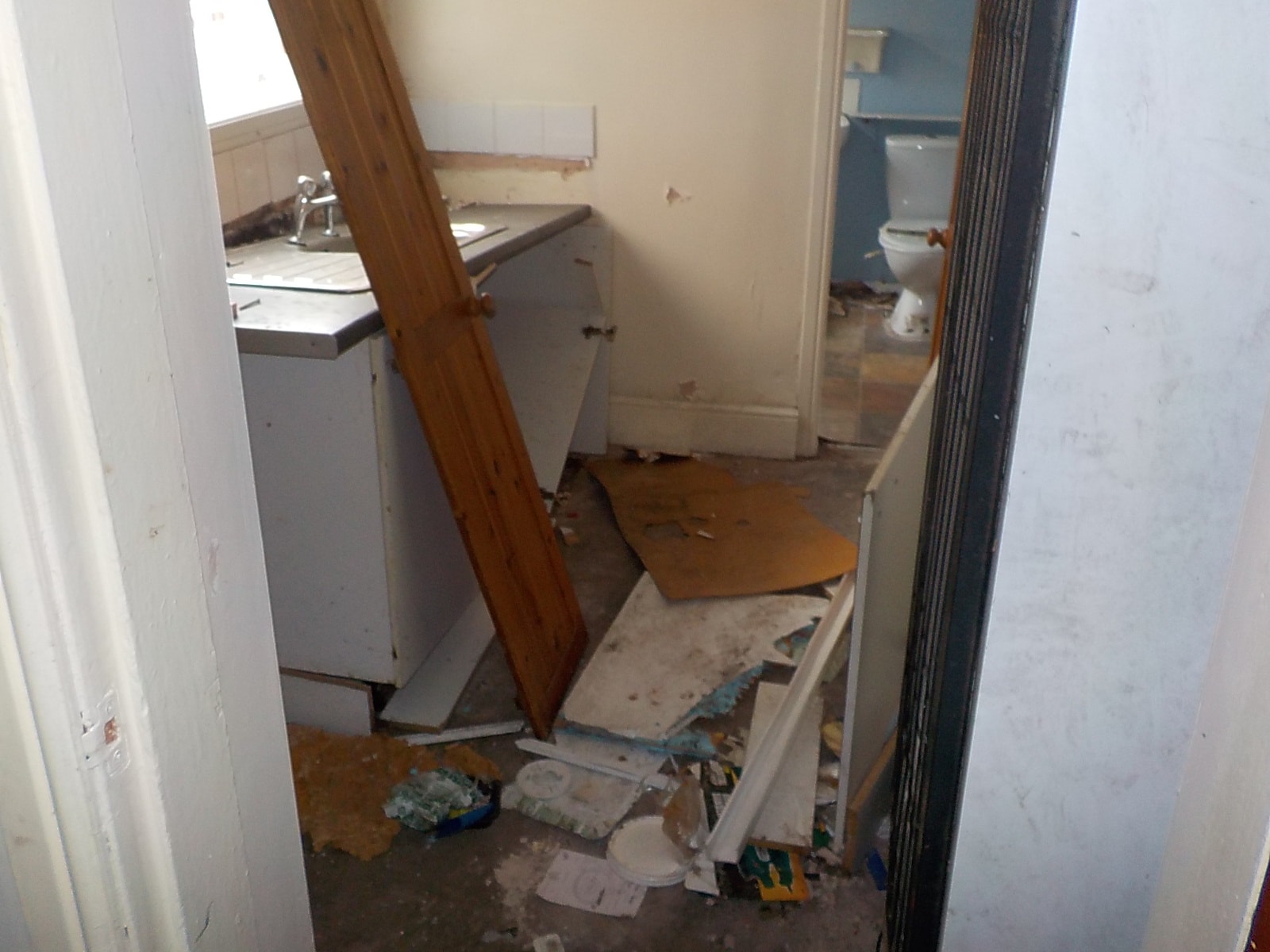
Intruders had also seriously damaged the kitchen
Summary
This HomeBuyer Survey highlights how minor maintenance failures can lead to extensive and costly damage over time. Key issues identified included:
Severe water damage from defective rainwater goods
Single-skin extension prone to cold and damp
Widespread damp and condensation issues
Intruder damage to services and fittings
Dangerous and non-compliant attic conversion
Fire safety deficiencies
Early identification of these defects allows buyers to understand true condition, budget realistically, and reconsider value or negotiate price before committing to purchase.